How to tell a line has broken
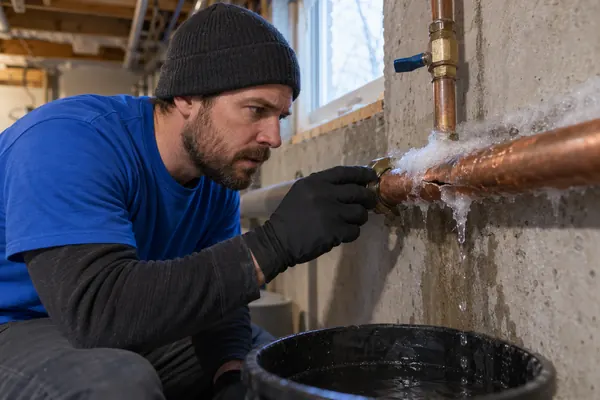
A pressure break is loud. A small one is quiet. Listen and look for:
- The roar of water inside a wall or beneath a floor
- A pressure drop at every tap in the house
- A wet patch on the sidewalk or in the front yard near the house
- A meter that spins when everything is off
- Muddy or rust-colored water at the faucets
- A cellar floor that is wet near where the line enters the building
Why older lines fail in older neighborhoods
Many East Elmhurst houses date back decades, and their copper or steel supply lines have been under pressure the whole time. Ground movement, truck traffic on the main roads and hard winter freezes stress joints and fittings.
Where the line enters the house it usually passes through the cellar wall or floor. A split there sends water into the cellar, soaks masonry and can reach the panel, so speed matters.
Problems after a line break
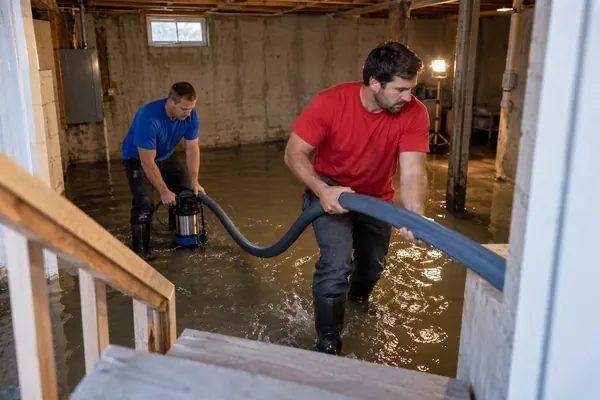
- Cellar water above the floor drain
- Wet panels and wiring near the water entry
- Soaked insulation inside exterior walls
- Water that kept flowing before the main was closed
Do these first
- Find the main shutoff, usually near the meter in the cellar, and close it
- If the break looks outside the house or at the meter, call 311 or a plumber about the street shutoff
- Turn off power in wet areas only if you can reach the panel safely
- Open a low faucet to relieve the pressure left in the pipes
- Move valuables above the water line
- Photograph the break before the plumber starts
Know your shutoffs before you need them
Most houses have one main shutoff near the meter or where the line enters the cellar. Many owners have never touched it. Find it, make sure the handle turns and tag it so everyone in the house can find it.
A corroded or stuck valve is no help at 3 a.m. Ask a plumber to replace a stiff one before you need it.
How we clean up after a line break
Confirm it is off
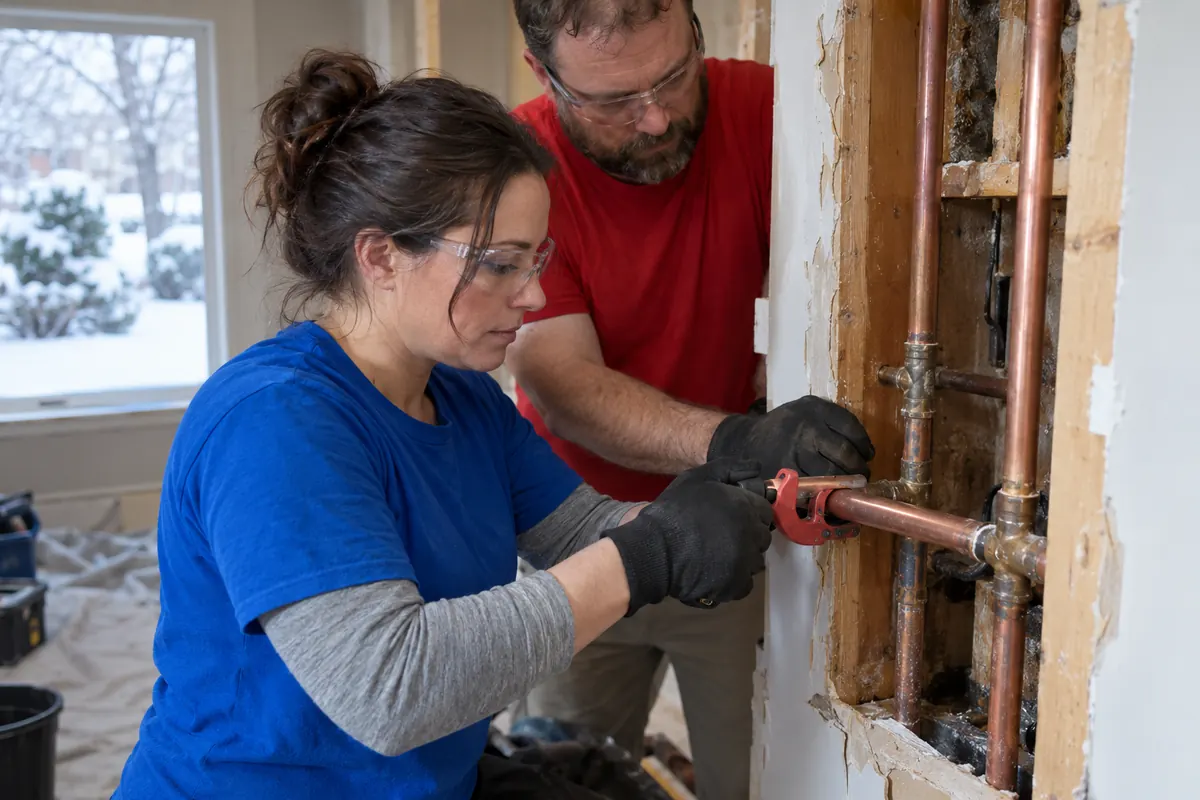
The plumber isolates the line. We make sure no new water arrives before we start.
Pump and extract
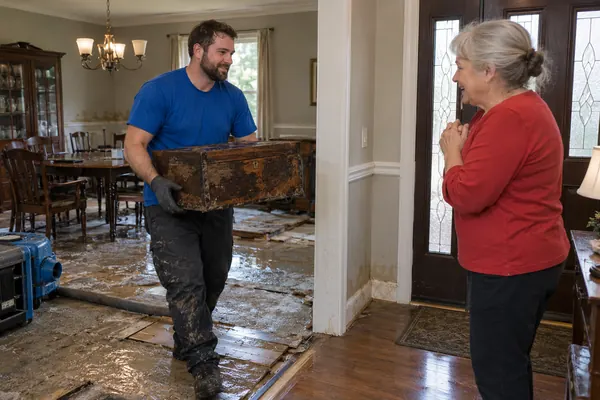
High-volume pumps and wand extractors clear the cellar and floors.
Open the wet walls
Plaster and drywall in the path of the water come off to reach insulation and framing.
Remove what cannot dry
Soaked insulation, pad and flooring are bagged and hauled away.
Dry the shell
Air movers and dehumidifiers dry masonry, framing and floors. We read moisture every visit.
File the record
You get photos and a written scope you can share with your insurer, plumber and contractor.
Supply line break cleanup cost in East Elmhurst
A typical estimate for cleaning up after a supply or service line break in the New York City area is $2,000 to $10,000. Depth of water, wet masonry and opened walls drive the figure. The plumber's repair is separate. These are not guaranteed prices. Call for an exact quote. See all price ranges.
Questions we hear about this
Who handles a break outside the house?
The city or a licensed plumber handles the street side, and 311 is the place to report a street problem. We clean up inside the building.
How much water can a broken line release?
A pressurized line can put out hundreds of gallons in an hour, which is why a fast shutoff matters.
Is a line break covered?
A sudden break inside the house is often covered. The pipe repair itself and a break in the yard line may be treated differently. Read your policy.
Can the rest of the house keep water?
If the plumber can isolate the broken run, yes. If not, the main stays off until the repair.
What if water reached the panel?
Stay away and call the utility or an electrician before anything is turned on. Safety comes before drying.
Read next Need to act before the crew arrives? Read the first 60 minutes after a burst pipe.