Sudden versus gradual
Insurers draw a line between water damage that is sudden and accidental and damage that builds over time. A pipe that bursts on a cold night, a washer hose that fails or a tank that splits is usually sudden. A drip under a sink that ran for months is gradual and often excluded.
That line is why dates and photos matter. If you can show when you found the problem and what failed, your claim is easier to read. We cannot tell you what your policy covers, but we can document what we found and when.
Sewer backup and flood
This is where many New York homeowners are surprised. A standard policy often excludes water that backs up through a sewer or drain, and excludes flood. Sewer backup coverage is usually an endorsement you add, with its own limit. Flood is a separate policy, often through a federal program or a private insurer.
In a neighborhood with combined sewers and low, flat ground, that matters. Read your declarations page, look for a water backup endorsement and ask your agent what the limit is. A small limit may not cover a finished cellar. Our post on sewer backups in Queens explains why they happen.
What to do right after a loss
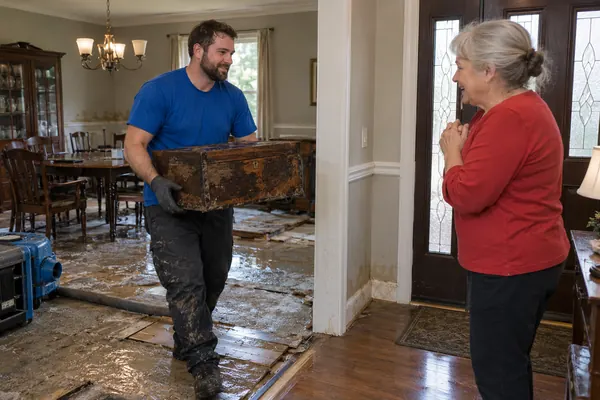
Stop the water if you can, protect what you can and take photos. Then call your insurance company to open a claim, and call us. You are expected to take reasonable steps to prevent more damage, and drying the structure is one of them. Keep receipts for anything you pay for.
Do not throw away damaged items until the adjuster has seen them or you have photos. Keep a list of what was wet, with approximate age and value. If you have to leave the house, keep receipts for hotel and food costs and ask your insurer whether living expenses are covered.
What we document
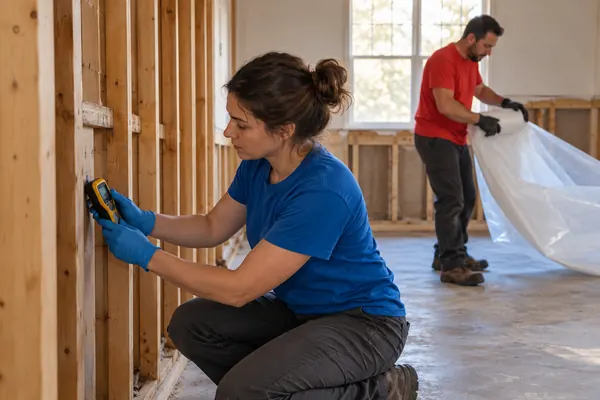
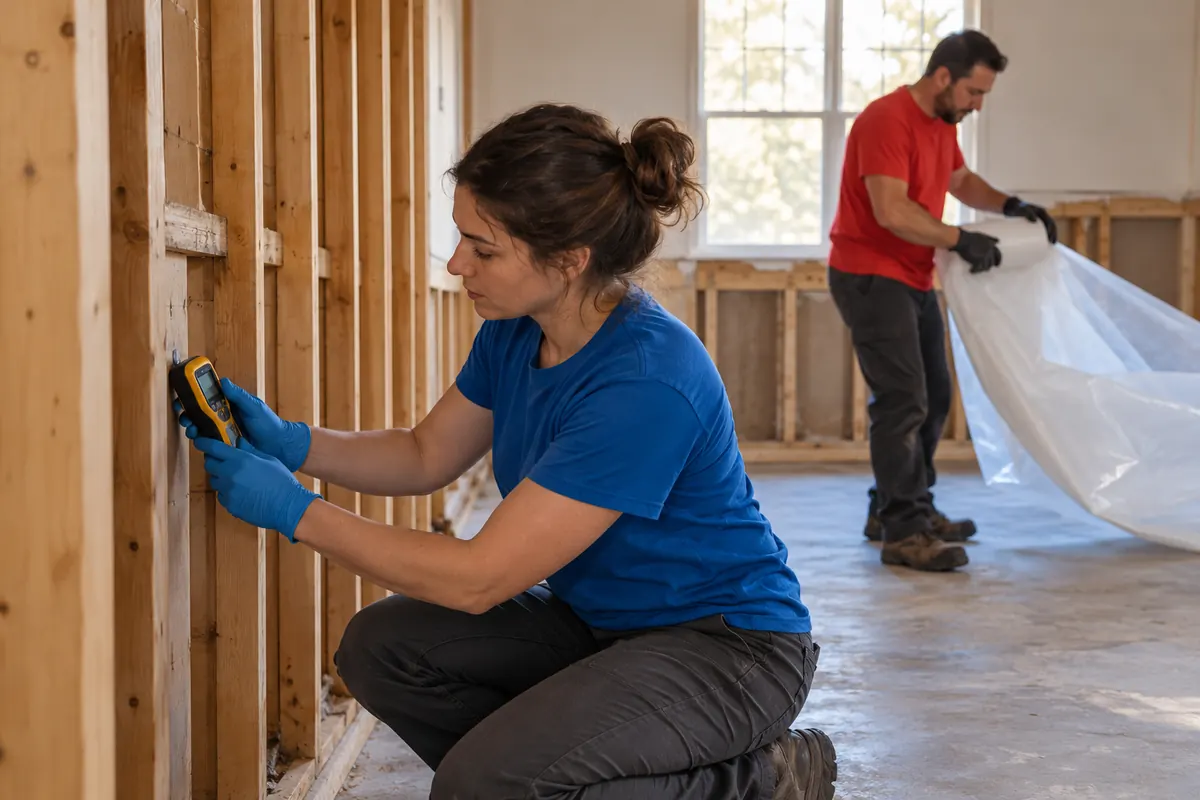
Our emergency water damage restoration crew takes photos of the source, the water line and each room. We record moisture readings on arrival and each visit. We keep a log of equipment and a written scope of work. These records show what was wet, what was removed and what was dried.
We are not your adjuster and do not decide what the insurer pays. We make it easy for the adjuster to see what happened. With your permission, we can speak with the adjuster and walk them through the work.
Drying and the claim
Insurers often ask whether the loss was mitigated. Pumping and drying quickly can reduce the size of the claim, because less material is removed and rebuilt. Our structural drying and dehumidification service ends with readings that show when the structure reached the dry goal.
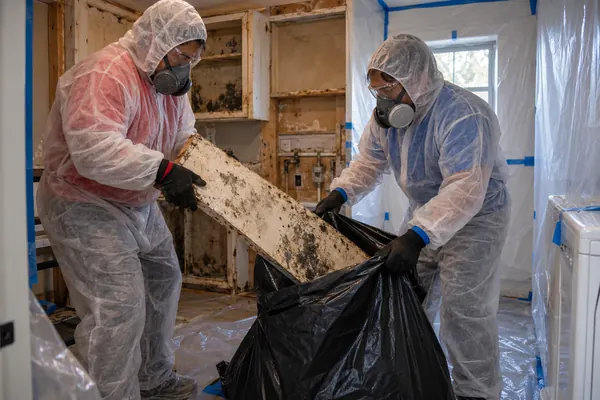
Mold is a related issue. Many policies limit mold coverage or cover it only when it follows a covered loss. That is another reason to dry fast. Read our post on mold after water damage in Queens basements to see how quickly it can grow.
Questions to ask your agent today
Do I have a water backup endorsement, and what is the limit? Do I have flood coverage? Is a finished basement covered the same way as the rest of the house? What is my deductible for water damage? Does the policy cover the cost to find a leak? What are the rules if the house is vacant?
Write down the answers and keep them with the policy. If you rent, ask about a renter's policy for your belongings. The time to ask is before the water arrives. This post is general information, not insurance or legal advice.
If you disagree with the result
Adjusters write their view of a loss, and it is fine to ask questions. If the scope seems to leave out wet areas, ask what the report is based on and share your moisture readings and photos. A written drying log that shows wet material in a room is hard to argue with. Ask for the denial or the limit in writing, and ask your agent how to appeal. Keep a folder with photos, receipts, the claim number and the name of each person you spoke with.
Quick answers
Does insurance cover a burst pipe?
Sudden bursts are often covered, but the details depend on the policy. The repair of the pipe itself may not be.
Is sewer backup covered?
Often only with a water backup endorsement. Standard policies commonly exclude it.
Should I call the insurance company first or a restoration crew?
Call both. Start drying while the claim is opened, since waiting can increase the damage.
Will my rates go up if I file?
That depends on the insurer and your history. Ask your agent before filing a small claim.