How a combined sewer works
Across much of New York City, one set of underground pipes carries household waste and street runoff together. On a dry day that works. In a heavy downpour, water from streets, roofs and driveways rushes in and can fill the pipes faster than they empty. The system is sized for about an inch and three-quarters of rain an hour, and a cloudburst can drop more than that in a short stretch.
When the pipe is full, the pressure goes in every direction. Some water is released at outfalls, and some is pushed back up smaller pipes toward houses. The lowest fixtures in the building show it first: a cellar floor drain, a laundry tub, a basement toilet or a shower.
Why East Elmhurst sees it
East Elmhurst is low and flat, near Flushing Bay. Many homes have cellars, below-grade bathrooms or garages that are lower than the street. Water follows pipes downhill, and a house below the street has less margin than a house above it.
The system is also old, and upgrades take years. Neighbors who have been through a backup tell us it can happen every time a bad storm comes through. The smart move is to know what to do before it happens, and how to deal with it when it does.
Signs it is starting
Sometimes you get a warning. A toilet gurgles when the washer drains. A basement drain bubbles or smells of sewer. Water in a tub or shower rises slowly and does not go down. Several drains slow at the same time during or after heavy rain. These are the signs that the sewer is full.
If you see them, stop using water. Do not run the washer or dishwasher, and do not flush toilets. Every gallon you send down goes into the same pipe that is already backing up, and it will come up in your cellar.
What to do when it happens
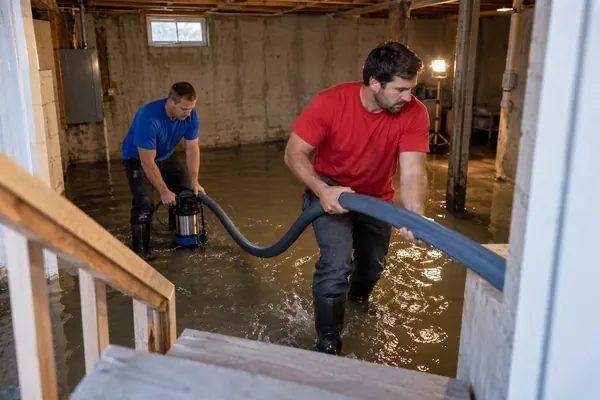
Stay out of the water. Sewage water carries bacteria, viruses and parasites. Keep children and pets away, and do not walk through it barefoot. If you have to enter, wear rubber boots and gloves and wash well afterward. Do not touch outlets or the panel while water is on the floor.
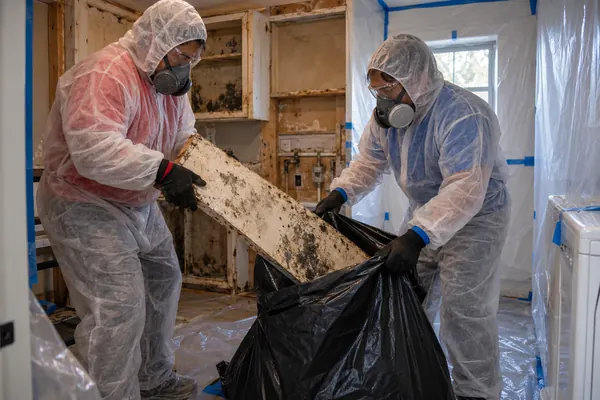
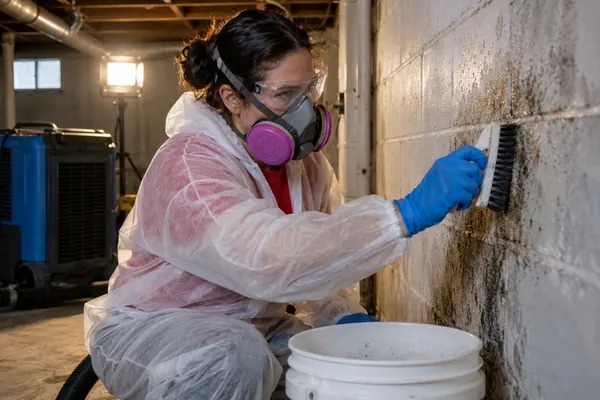
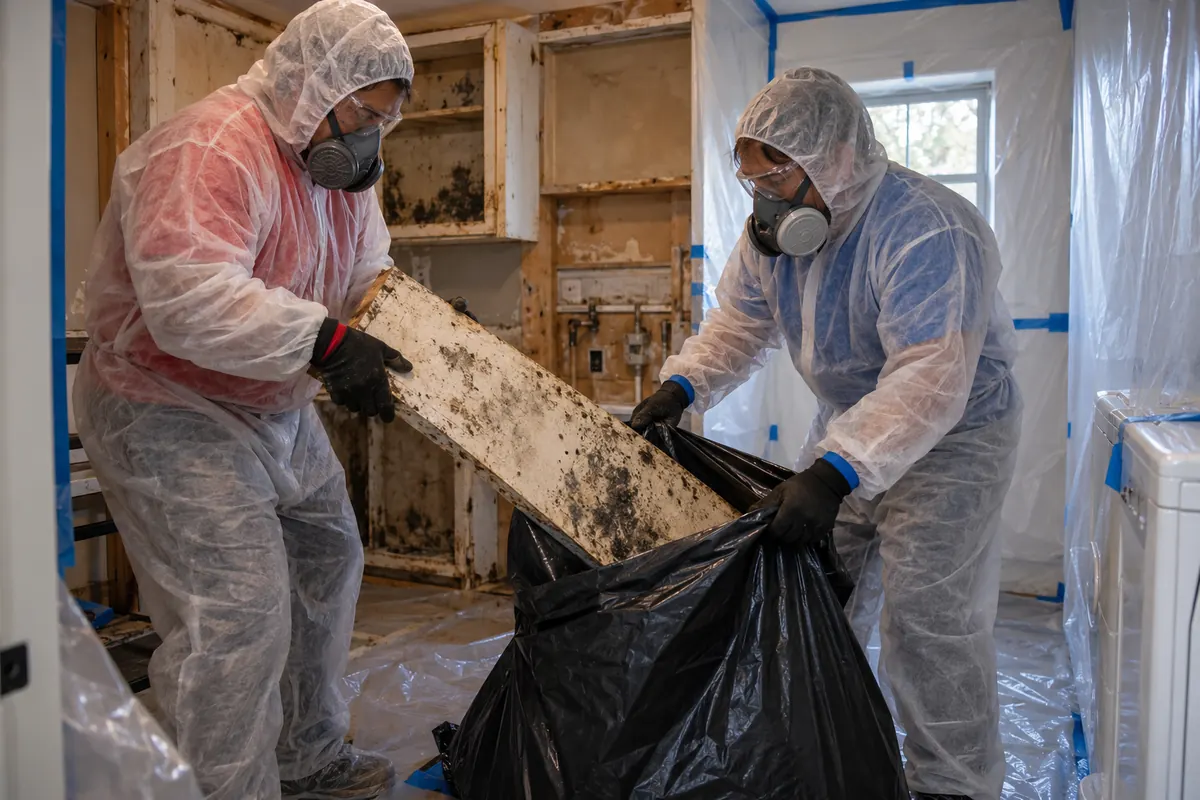
Call us as soon as it is safe. Our sewage backup cleanup crew brings protective suits, respirators and pumps. We contain the area, remove contaminated water and porous materials, clean and disinfect the space and dry it. Do not try to clean sewage with a household vacuum or a mop. You will spread it.
What can be saved
Hard, non-porous items such as metal, glass and sealed tile can usually be cleaned and disinfected. Porous items soak up contamination and are hard to make safe: carpet, pad, drywall, insulation, mattresses, upholstered furniture and cardboard boxes. These usually go.
It is hard to throw out family things. Take photos first and list what is removed for your claim. If something is irreplaceable, tell us, and we can talk about options. Wood framing is cleaned, treated and dried, and in most homes it stays.
Insurance and prevention
A standard New York homeowners policy often excludes sewer backup unless you added a water backup endorsement. It is usually inexpensive compared with the cost of a cleanup. Read your policy and ask your agent about the limit. Flood coverage is separate, and it comes from a different policy.
For prevention, ask a licensed plumber about a backwater valve on the sewer line, a sump pump with a battery backup and the condition of your lateral. We do cleanup, not installation. Read our post on sloped driveways and basement flooding for the street-water side, and see basement flooding cleanup for what we do afterward.
Cleaning up after you leave
After a backup, wash your hands and any clothing that touched the water. Change out of wet shoes before you walk through clean rooms. Keep a path clear for the crew and tell us where the drain sits. Do not pour bleach down the drain or on the floor, since it can mix with other chemicals and does not make wet carpet safe. Tell your household not to use water until the plumber says the line is clear. Keep any receipts for hotel stays, since coverage may apply.
Quick answers
Is sewer backup water dangerous?
Yes. It can carry bacteria and viruses. Avoid contact, wear protective gear and let a crew handle it.
Will a backwater valve stop this?
It can prevent sewage from flowing back into the house through the line, if installed and maintained correctly. Ask a licensed plumber.
Who is responsible for the sewer line?
The city typically maintains the main in the street. The line from the house to the main is usually the owner's responsibility. A plumber can tell you more.
Can I stay in the house?
If the backup is small and in a cellar, maybe. If it spread to living areas or you have young children or health problems, a short stay elsewhere is safer.